“`html
How Artificial Intelligence Is Transforming Modern Education
Introduction
Artificial Intelligence (AI) is revolutionizing various sectors, and education is no exception. As education systems worldwide adapt to the rapid pace of technological advancements, AI has emerged as a powerful tool that promises to enhance learning experiences, personalize education, and provide insightful analytics. This article explores how AI is reshaping modern education, its applications, benefits, challenges, and future prospects.
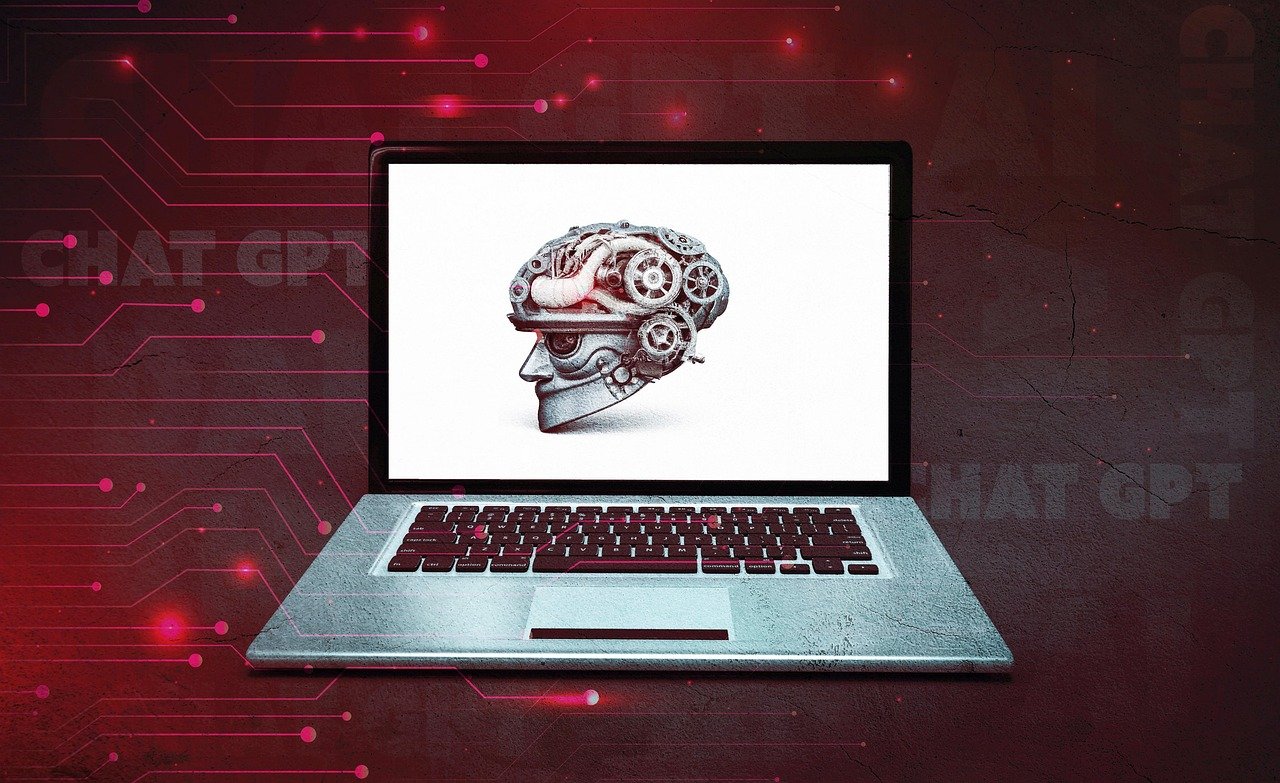
AI Applications in Education
1. Intelligent Tutoring Systems
Intelligent tutoring systems leverage AI algorithms to provide personalized instruction and feedback to students. These systems adapt to each learner’s unique needs, allowing for a customized educational experience.
2. Automated Grading Systems
AI can automate the grading process, significantly reducing the workload for teachers. Automated grading systems provide immediate feedback to students and ensure consistency in evaluation.
3. Adaptive Learning Platforms
Adaptive learning platforms use AI to analyze student performance in real-time and adjust lesson plans accordingly. This helps students learn at their own pace and keeps them engaged.
4. Chatbots and Virtual Assistants
AI-powered chatbots and virtual assistants can answer students’ queries, provide resources, and facilitate communication between students and educators. They enhance accessibility and support around the clock.
5. Data Analytics for Educational Insights
AI-driven data analytics gather insights from numerous sources, helping educators make data-informed decisions. This leads to improved teaching strategies and better educational outcomes.
Benefits of AI in Education
| Benefit | Description |
|---|---|
| Personalization | Tailors educational experiences to individual student needs, enhancing engagement and comprehension. |
| Efficiency | Automates administrative tasks, allowing educators to focus more on teaching and less on paperwork. |
| Accessibility | Improves access to educational resources, especially for students in remote or underserved areas. |
| Real-time Feedback | Provides immediate insights into student performance, facilitating prompt interventions when necessary. |
| Data-driven Decisions | Enables educators to use analytics to refine teaching strategies and curriculum effectiveness. |

Challenges of AI in Education
While AI presents numerous advantages, several challenges need to be addressed:
1. Data Privacy Concerns
The use of AI in education requires the collection and analysis of significant amounts of student data, raising concerns about privacy and data security.
2. Equity in Access
Not all students have equal access to technology, which could widen the educational divide if not addressed.
3. Dependency on Technology
Increased reliance on AI tools may lead to reduced critical thinking skills among students if they overly depend on automated systems for learning.
4. Need for Teacher Training
Educators must be adequately trained to effectively integrate AI tools into their teaching practices, which requires investment in professional development.
[IMAGE]
The Future of AI in Education
The potential of AI in education is just beginning to be realized, and several trends are likely to shape its future:
1. Enhanced Learning Environments
AI technologies will create immersive learning experiences that blend traditional classrooms with online resources, making learning more engaging.
2. Lifelong Learning
AI will promote lifelong learning by creating personalized learning paths for individuals of all ages, encouraging continuous education throughout life.
3. Global Learning Communities
AI will facilitate collaboration among learners across the globe, breaking down geographical barriers and enhancing cultural exchange.
4. Increased Role of Soft Skills
As AI automates routine tasks, educational systems will increasingly focus on developing critical soft skills such as creativity, emotional intelligence, and problem-solving.
[IMAGE]
Frequently Asked Questions (FAQ)
1. How is AI used in classrooms today?
AI is used in classrooms for personalized learning, automated grading, intelligent tutoring, and enhancing student engagement through interactive tools.
2. What are the benefits of using AI in education?
The benefits include personalized learning experiences, improved efficiency, data-driven insights, and enhanced accessibility to educational resources.
3. What challenges does AI face in education?
Challenges include data privacy concerns, the digital divide, potential over-dependence on technology, and the need for proper teacher training.
4. Is AI going to replace teachers?
While AI will augment teaching and provide support, it is not intended to replace teachers but rather to empower them with tools that enhance student learning.
[IMAGE]
“`
This HTML document is structured with a focus on SEO best practices, including proper headings, descriptive content, a table for visual organization, and a clear FAQ section to address search intent and potential queries from users. Make sure to replace the `[IMAGE]` placeholders with actual image tags and source attributes when implementing the content.